Interactive Explainer
GolfRead the Gamefrom the Bench
Walk a hole tap by tap to see which club comes out and why, then decode the scoring terms every sideline parent hears but rarely understands.
Sport DNA
Course Length
6,000–7,200 yds (18 holes)
Youth/junior tees: 3,500–5,500 yds
Par (Typical Round)
70–72 strokes
Made up of par 3s, 4s & 5s
Clubs in the Bag
Up to 14 (adult max)
Juniors often carry 6–10
Ball
1.68 in diameter, 1.62 oz max
Softer compression balls for kids
Players per Round
1 (vs. course) or up to 4 in a group
Most youth events: 2–4 per group
Round Length
~4 hours (18 holes, adult)
Junior/9-hole rounds: 1.5–2 hours
Countries Playing
140+ R&A/IGF affiliated
Olympic sport since 2016 return
Founded
15th century · Scotland
Modern rules codified 1744
Par 4 Walkthrough
A typical par 4 hole from tee to green. Each stop shows which club a player reaches for and why — tap any station to see the job that club does.
Tap any station to see what club it calls for
Ready to get them on the course?
Find local Golf programs in your area.
What's in the Bag
Club Guide
Every club has a job. Here's what each one is for, roughly how far it sends the ball, and when your kid should reach for it. Junior distances vary widely by age, strength, and swing speed — treat these as a starting point, not a rule.
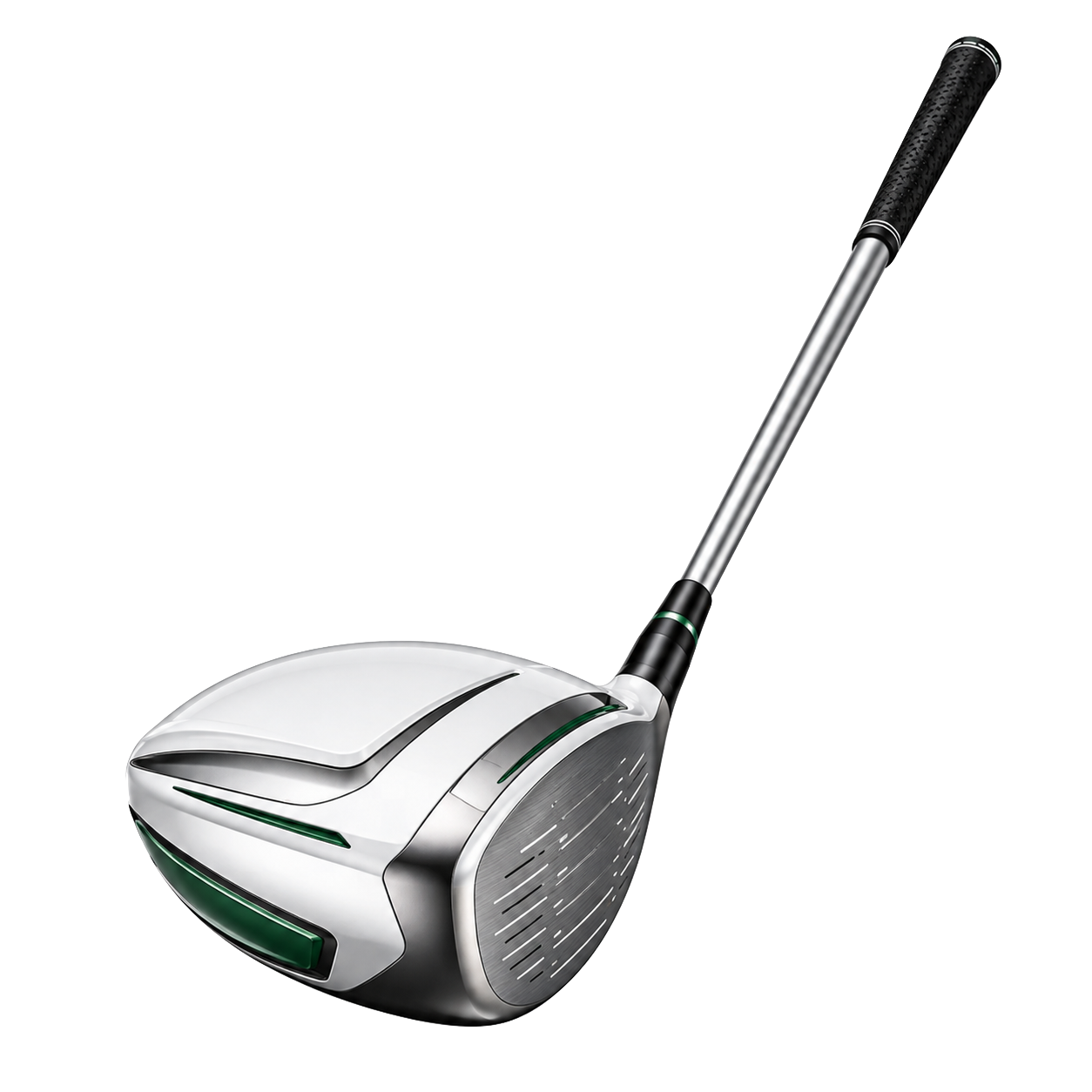
Driver
Loft 8°–12°180–230 yds (junior) · 230–280+ (adult)
Hit off a tee on the first shot of longer holes. The lowest-lofted, longest club in the bag — built for maximum distance, not accuracy. Big head, long shaft.
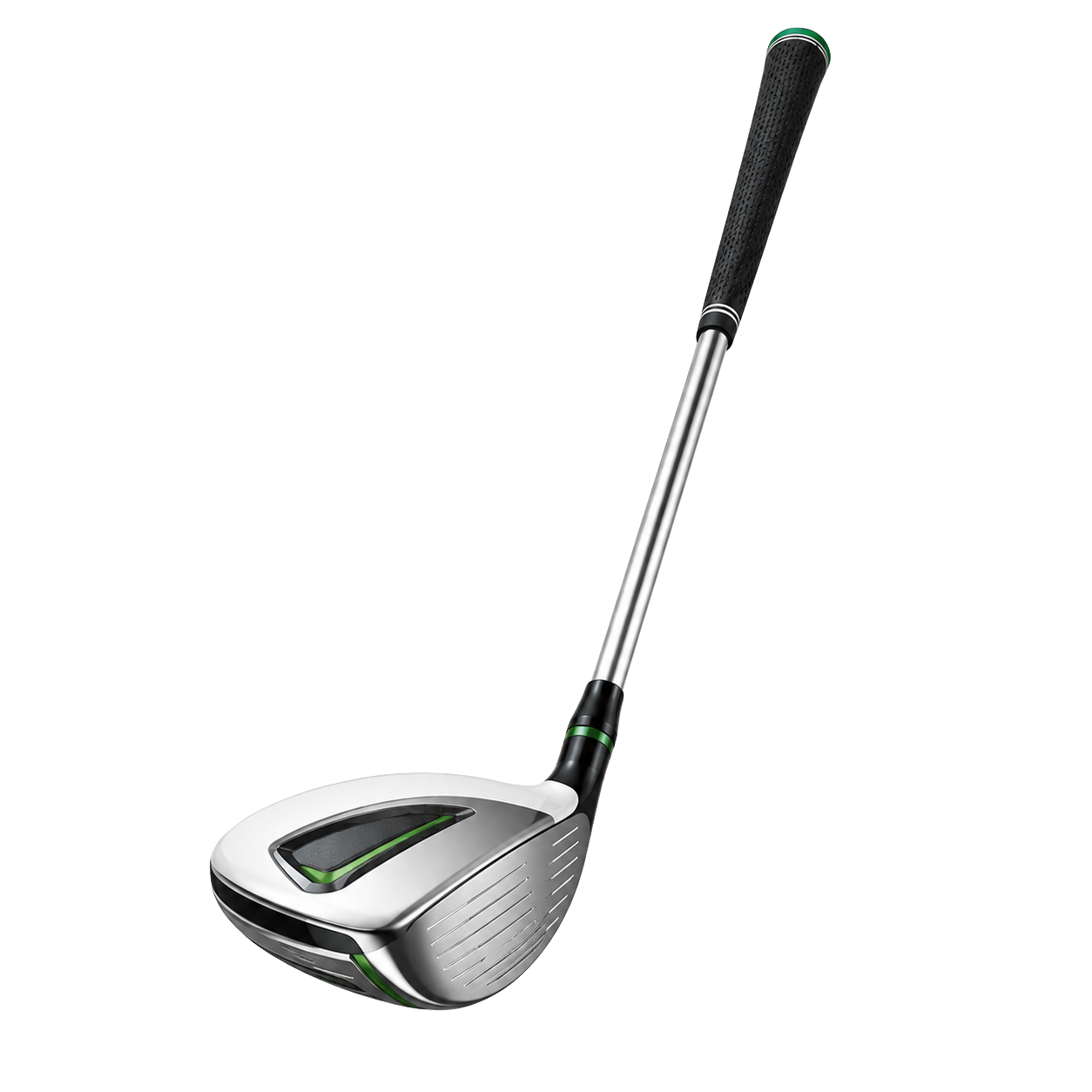
3-Wood / Hybrid
Loft 15°–19°150–190 yds (junior) · 190–230 (adult)
A more controllable option off the tee on shorter holes, or off the fairway when there's still a lot of distance to cover. Easier to hit cleanly off the ground than a driver.
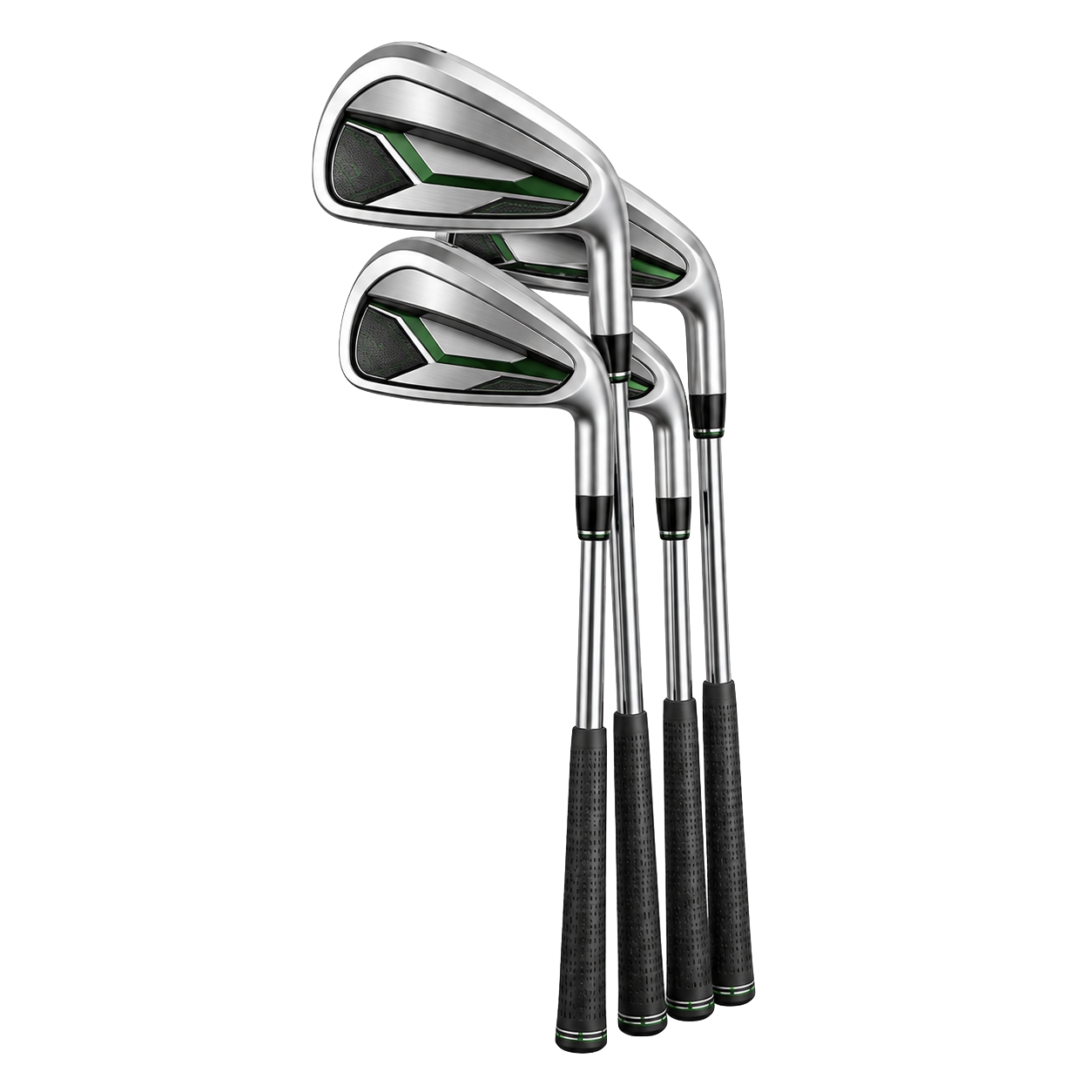
Long Irons (4–6)
Loft 21°–30°120–160 yds (junior) · 160–200 (adult)
Used for approach shots from farther out — long par 4s and par 5s. Harder to hit consistently than shorter irons, so many junior sets skip these in favor of hybrids.
Mid Irons (7–9)
Loft 31°–43°90–130 yds (junior) · 130–160 (adult)
The bread-and-butter approach clubs. Most greenside-approach shots from the fairway use one of these — easier to control trajectory and distance than long irons.
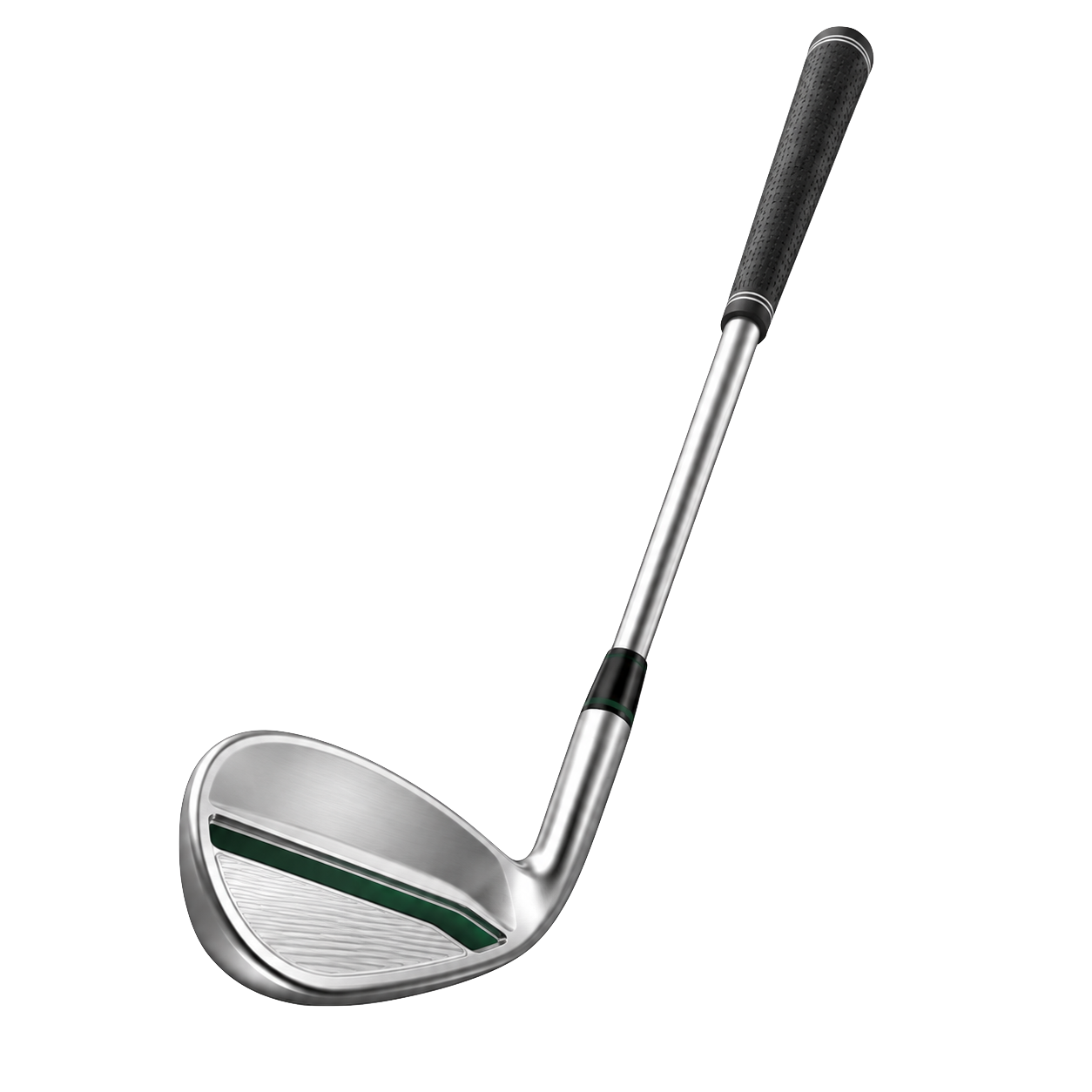
Pitching Wedge
Loft 44°–48°70–110 yds (junior) · 100–140 (adult)
A short, high approach shot or a chip from just off the green. The most-used wedge for general short-game situations with no obstacle in the way.
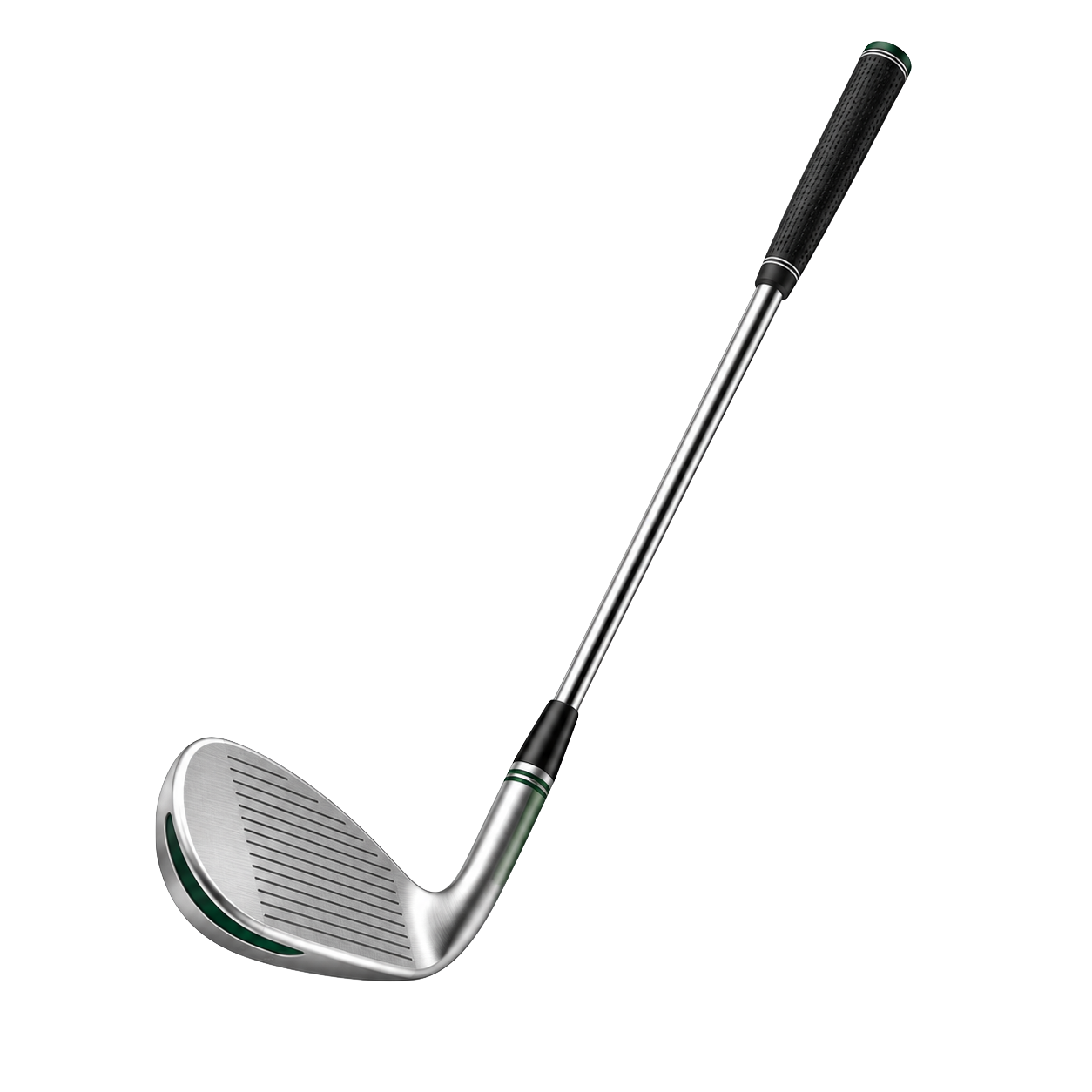
Sand Wedge
Loft 54°–58°40–80 yds (junior) · 60–100 (adult)
Designed specifically to get the ball out of bunkers — a wide, heavy sole slides through sand instead of digging in. Also useful for short, high shots around the green.
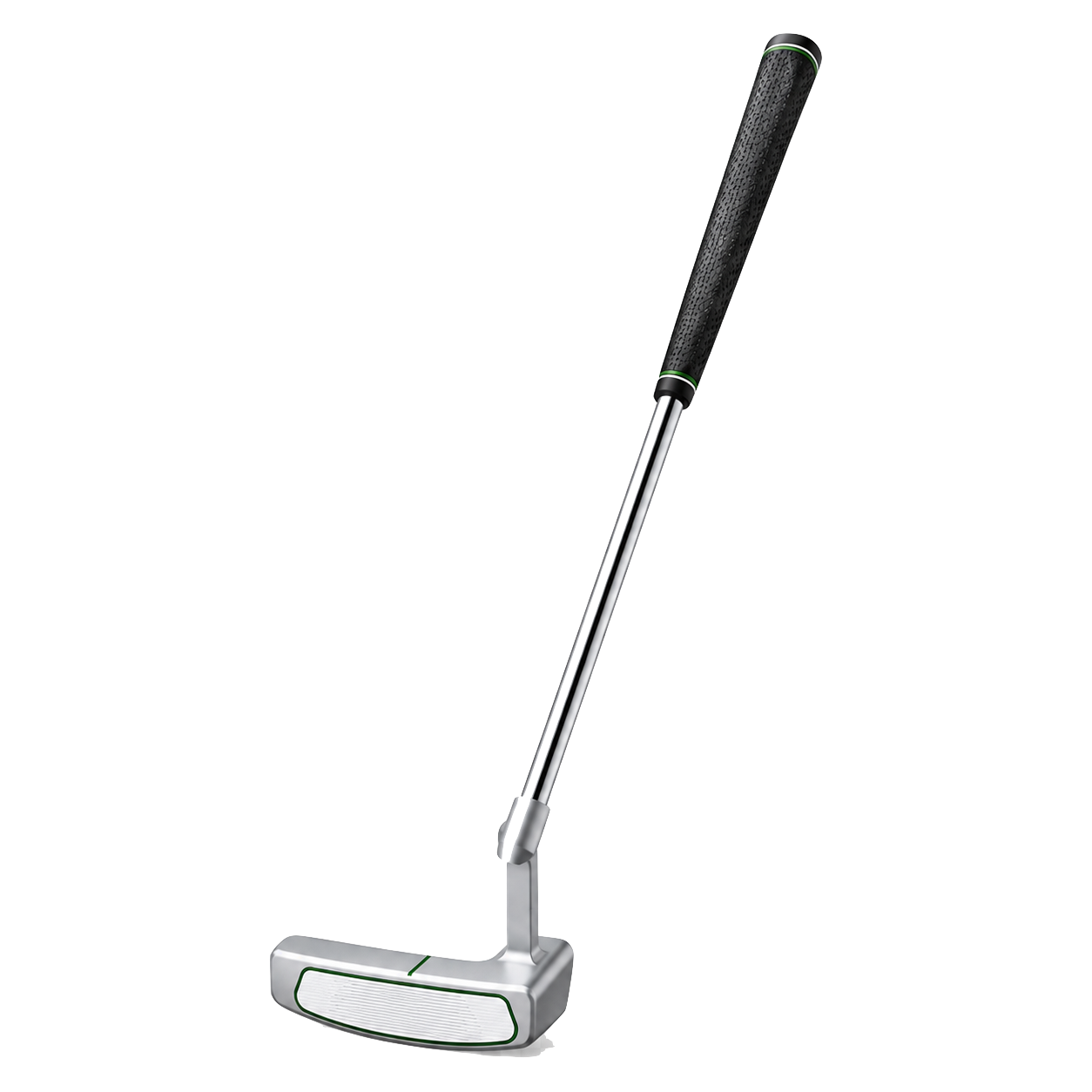
Putter
Loft 2°–4°Rolls on the green only
Used exclusively on the putting green to roll the ball into the hole. No power needed — just touch, line, and reading the slope. The most-used club over a full round.
Before the Start
Essential Gear
See all 11 items
Junior Club Set
A starter set sized to your child's height — usually driver, hybrid, a few irons, wedge, and putter. Avoid cut-down adult clubs; junior sets have the right shaft flex and lighter weight.
Est. $80 – $250

Golf Glove
Worn on the lead hand (left for right-handed golfers) for grip and control. Junior sizes run small — measure their hand rather than guessing by age.
Est. $8 – $18

Golf Shoes
Spikeless golf shoes work for most junior play and are allowed on nearly every course. Look for waterproofing if they'll play in the early morning dew.
Est. $30 – $70

Golf Balls (Dozen)
Softer-compression balls travel farther on a junior's slower swing speed. Buy in bulk — lost balls are a near-certainty in the first few seasons.
Est. $15 – $35
Full gear guide
6 must-haves · 11 items total · Est. $120 – $420
Parent's Cheat Sheet
What just happened?
Official Wording
Par is the number of strokes a skilled player is expected to need to complete a hole. Scores are described relative to par: birdie (1 under), bogey (1 over), eagle (2 under).
Parent Translation
Each hole has a target stroke count — usually 3, 4, or 5. Finish in that many strokes and that's 'par.' One stroke better is a 'birdie,' one worse is a 'bogey.' Don't worry about your kid's score matching these terms early on — for beginners, just finishing the hole is the win.